Don't Ask, Don't Tell: The 1993 Statute and the 2010 Repeal Vote
Two acts of Congress, seventeen years apart, define the arc of openly gay military service in the United States.
Key votes and dates
- House vote, H.R. 2965250–175, 15 December 2010
- Senate vote65–31, 18 December 2010
- Signed by President Obama22 December 2010
- Certification transmitted to Congress: 22 July 2011
- Repeal effective20 September 2011
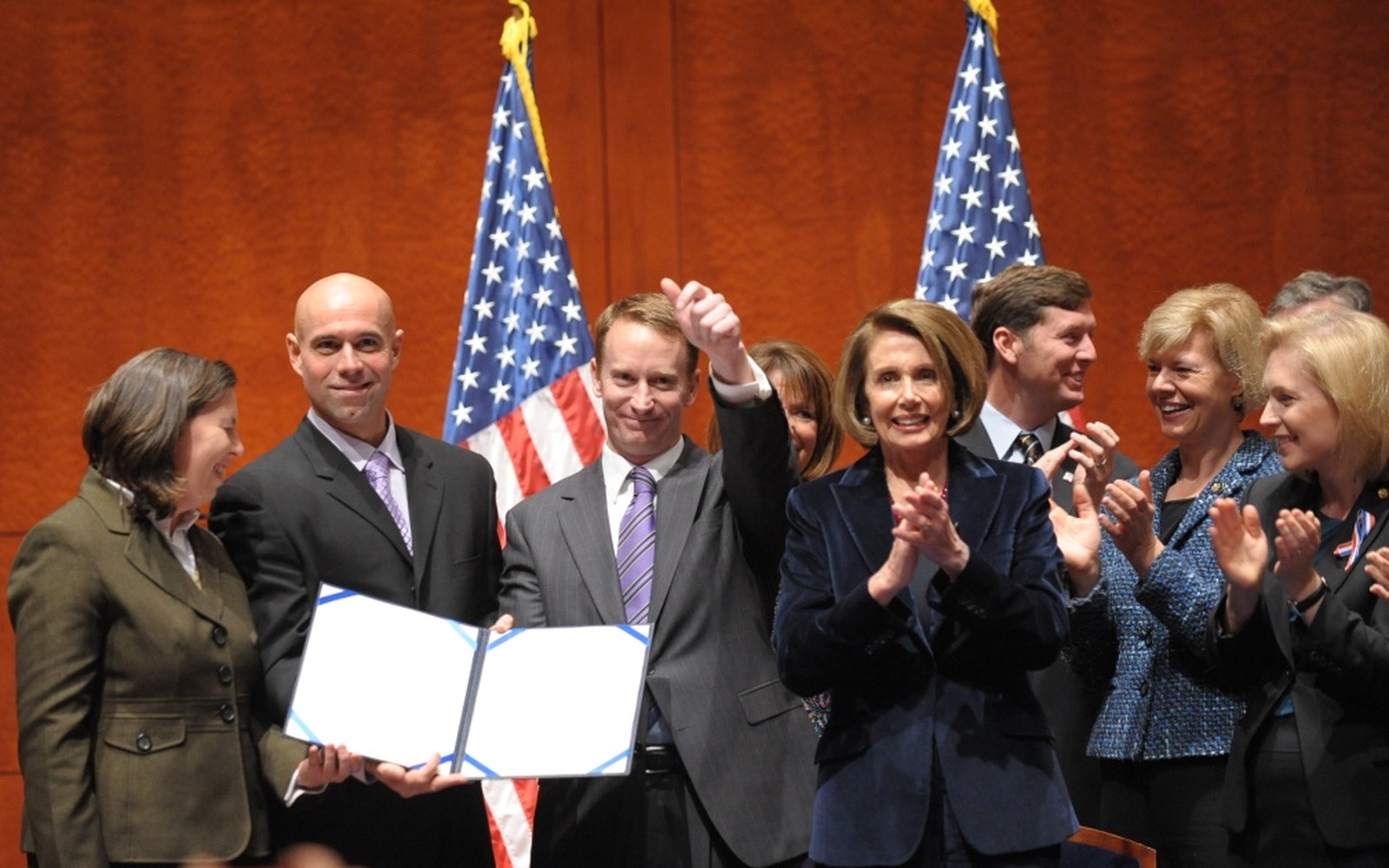
Don't Ask, Don't Tell: The 1993 Statute and the 2010 Repeal Vote
Photo: Repealing ‘Don’t Ask, Don’t Tell’ · Wikimedia CommonsThe 1993 Law and What It Said
Section 654 of Title 10 of the United States Code, enacted as part of the National Defense Authorization Act for Fiscal Year 1994, codified the policy that came to be known as "Don't Ask, Don't Tell." The statute established a presumption of unfitness for any member of the armed forces who stated that they were homosexual or bisexual, married or attempted to marry a person of the same sex, or engaged in homosexual conduct. The text declared that "the presence in the armed forces of persons who demonstrate a propensity or intent to engage in homosexual acts would create an unacceptable risk to the high standards of morale, good order and discipline." Congress framed the policy as a legislative finding, insulating it from the executive-discretion challenge that had met earlier Pentagon directives.
The practical effect was summary discharge. The Department of Defense discharged more than thirteen thousand service members under the statute between 1994 and 2011, according to Williams Institute research.

What survives of a statute is its paper.
Photo: Luis F Rodríguez Jiménez / PexelsThe 2010 Repeal
The Don't Ask, Don't Tell Repeal Act of 2010, H.R. 2965, passed the House on 15 December 2010 by a vote of 250 to 175 and the Senate on 18 December 2010 by 65 to 31. President Barack Obama signed the bill on 22 December 2010.
Repeal was not immediate. The statute built in a certification requirement: the President, the Secretary of Defense, and the Chairman of the Joint Chiefs of Staff were each required to certify in writing that the armed forces had prepared the necessary regulations, that the implementation plan was complete, and that repeal was consistent with military readiness, military effectiveness, unit cohesion, and recruiting and retention. That certification was transmitted to Congress on 22 July 2011. The repeal took effect sixty days later, on 20 September 2011 ↗, at which point section 654 of Title 10 ceased to operate.
No statutory protection against discrimination based on sexual orientation in military service accompanied the repeal; the act removed the prohibition on open service but created no affirmative cause of action. The Bostock v. Clayton County decision in 2020 subsequently held that Title VII's prohibition on sex discrimination encompasses sexual orientation and gender identity in civilian employment, but Title VII does not extend to uniformed military personnel.
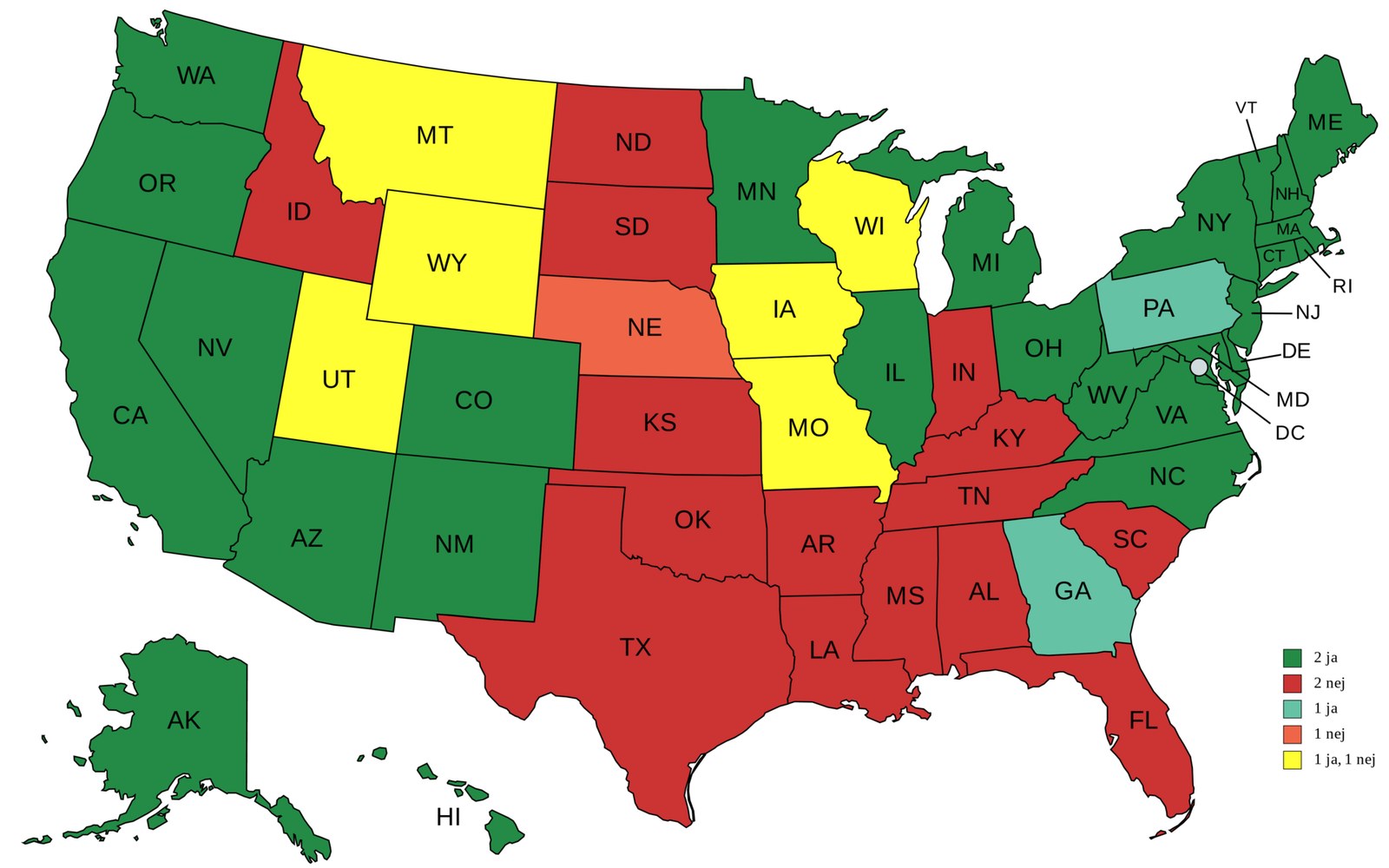
The enrolled text as it went to signature, carrying both the repeal and the Senate amendment.
Photo: Respect for Marriage Act Senate Map · Wikimedia Commons