Ireland's 34th Amendment: Marriage Equality by Referendum
On 22 May 2015, Ireland became the first country in the world to extend marriage equality through a popular vote, inserting a single sentence into its constitution with 62.1 per cent voting yes.
The numbers
- Yes vote62.1 per cent
- Turnout60.5 per cent
- Constituencies voting yes40 of 43
- Constituencies voting noRoscommon-South Leitrim, Longford-Westmeath, Cavan-Monaghan
- Constitutional amendment signed29 August 2015
- Marriage Act 2015 enacted22 October 2015
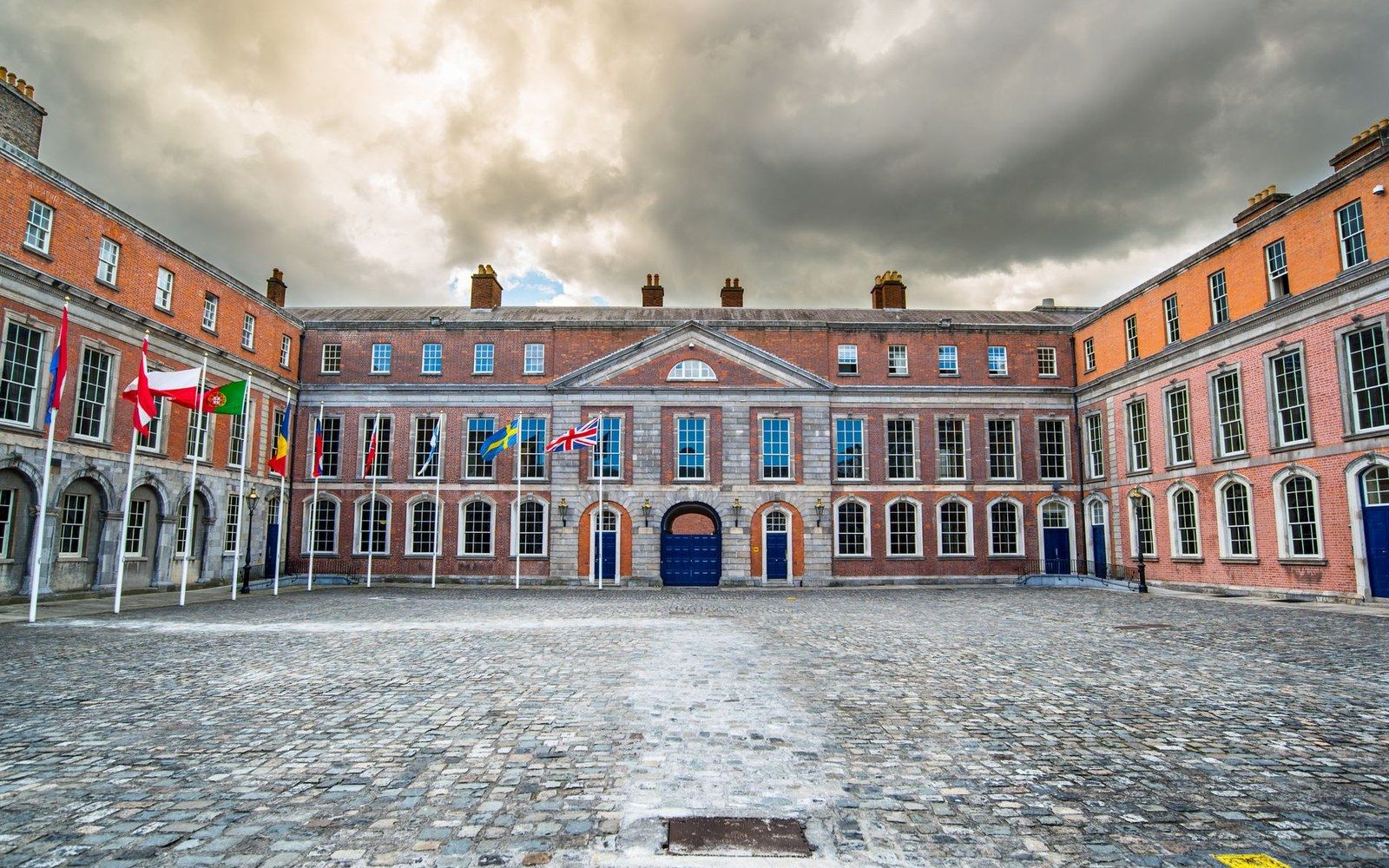
Ireland's 34th Amendment: Marriage Equality by Referendum
Photo: ClickerHappy / PexelsThe Vote and Its Text
The referendum put a simple proposition to the Irish electorate: insert into Article 41 of Bunreacht na hÉireann (the Irish constitution) the words "Marriage may be contracted in accordance with law by two persons without distinction as to their sex." Turnout reached 60.5 per cent — unusually high for an Irish referendum — and the yes side prevailed in 40 of 43 constituencies. The three dissenting constituencies were Roscommon-South Leitrim, Longford-Westmeath, and the border constituency of Cavan-Monaghan, each returning a narrow majority against. Dublin constituencies recorded some of the strongest yes majorities, several exceeding 70 per cent.
The constitutional amendment was signed by President Michael D. Higgins on 29 August 2015 as the Thirty-fourth Amendment of the Constitution Act 2015. The change was minimal in length and absolute in effect: it made the constitution itself the source of equal marriage rights, placing them beyond ordinary legislative revision.

What survives of a statute is its paper.
Photo: Luis F Rodríguez Jiménez / PexelsThe Statute That Followed
The constitutional amendment required corresponding legislation. The Marriage Act 2015 ↗, enacted on 22 October 2015, amended the Civil Registration Act 2004 to remove the opposite-sex requirement from the legal definition of marriage and to specify the conditions under which same-sex couples already in a civil partnership could convert that status to marriage. The Act also addressed the relationship between the new marriage regime and existing civil partnership legislation.
Ireland had introduced civil partnerships in 2010 under the Civil Partnership and Certain Rights and Obligations of Cohabitants Act, a status that carried many but not all of the rights attached to marriage. The 2015 legislation effectively superseded that regime for couples wishing to marry, while existing civil partnerships remained valid unless converted.
Significance in Context
No other state had previously put marriage equality to a national popular vote and secured an affirmative result. Several jurisdictions had held referendums on the question — most resulting in constitutional bans — making the Irish outcome a distinct moment in the comparative record. The process originated in a recommendation by the Constitutional Convention, a citizens' assembly convened in 2012–2013, which in April 2013 voted 79 per cent in favour of recommending the change to government.
Ireland's path — citizens' assembly, legislative referral, popular ratification, implementing statute — contrasts with the judicial route taken in the United States, where Obergefell v. Hodges produced a constitutional right to same-sex marriage five weeks after the Irish vote.
The bound volumes are the citation: a holding exists at a page number, and that page number is how every later court reaches it.
Photo: Christian Wasserfallen / Pexels