Seventy-One Jurisdictions Still Criminalise: The ILGA World Count
The most authoritative running tally of laws penalising consensual same-sex conduct between adults places the current figure at seventy-one jurisdictions worldwide.
Regional count at a glance
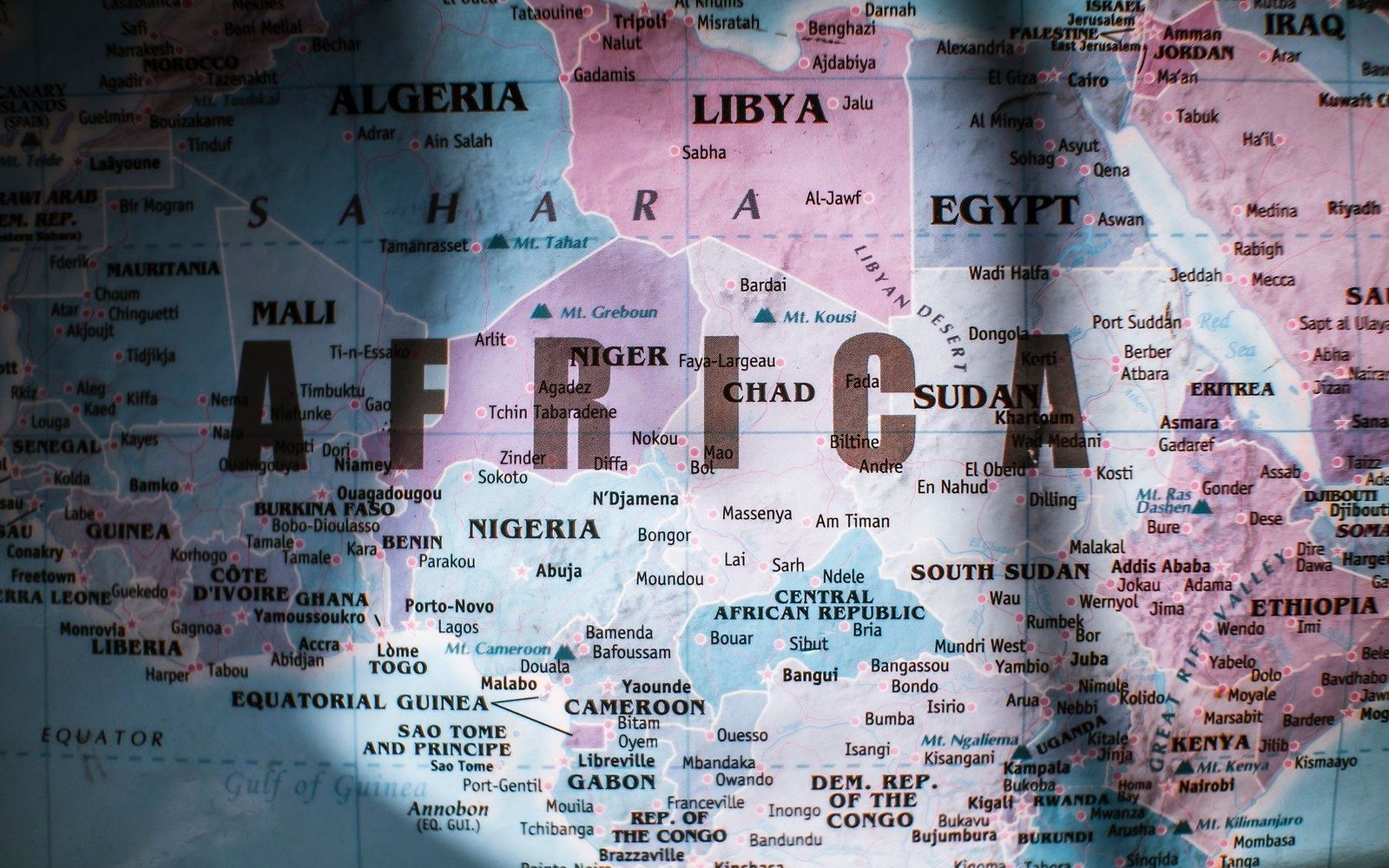
- Africamore than 30 jurisdictions (largest regional share)
- Asia-Pacificroughly 12 jurisdictions
- Middle East and North Africamultiple jurisdictions, including capital-penalty states
- Americas and Europea small handful combined
Seventy-One Jurisdictions Still Criminalise: The ILGA World Count
Photo: Nothing Ahead / PexelsWhat ILGA World Counts, and How
The International Lesbian, Gay, Bisexual, Trans and Intersex Association — ILGA World — publishes its State-Sponsored Homophobia report on a recurring basis, mapping every jurisdiction where statute or case law renders consensual same-sex conduct between adults a criminal offence. The 2023 edition of the report records seventy-one such jurisdictions. That figure is not a survey of social attitudes or enforcement patterns; it is a statutory audit, drawn from penal codes, colonial-era ordinances still on the books and judicial interpretations of broadly worded morality provisions. The methodology counts only criminal law directed at conduct, not administrative restrictions or civil penalties, and requires that the prohibition apply to consenting adults.
The report's geographic breakdown reveals a pronounced regional concentration. Africa accounts for the largest share, with more than thirty jurisdictions retaining criminalisation provisions — the majority inherited from British colonial penal codes modelled on the Indian Penal Code of 1860, themselves derived from English common-law tradition. The Asia-Pacific region contributes roughly a dozen jurisdictions, again skewed toward former British territories whose post-independence legislatures left colonial statutes intact. The Middle East and North Africa cluster contains provisions rooted in both civil and religious legal traditions. The Americas and Europe together contribute only a handful — reflecting the substantial law reform that has occurred across those regions since the late twentieth century.
Seventy-one, as counted in the most recently published edition of the report that keeps the count.
Photo: Nicholas Swatz / PexelsPenalty Range and Statutory Basis
The ILGA World State-Sponsored Homophobia 2023 report ↗ records the statutory basis and penalty range for each jurisdiction. Penalties span an extraordinary range. At the least severe end, fines and short custodial terms of several months are prescribed. At the most severe, seven jurisdictions either mandate the death penalty or permit it as a possible sentence: Iran, Saudi Arabia, Yemen, Qatar, Mauritania, Brunei and — under certain circumstances — the northern states of Nigeria operating under Sharia law. Afghanistan and the United Arab Emirates have provisions interpreted to permit capital punishment, though their application is contested in ILGA World's own notes.
The statutory vehicles vary. A number of sub-Saharan African states retain verbatim the "carnal knowledge against the order of nature" language from colonial-era penal codes. Several Pacific island jurisdictions preserve language traceable to a single British model ordinance circulated in the late nineteenth century. Gulf states draw on religious law provisions codified in civil statute. In Brunei, a revised Sharia Penal Code enacted in stages between 2014 and 2019 introduced death by stoning as a theoretically applicable penalty for male same-sex conduct.
Enforcement is not uniform. ILGA World distinguishes between jurisdictions where prosecutions are documented and those where statutes exist but arrests are rarely or never recorded. That distinction carries practical weight for asylum adjudications and human-rights reporting, but the organisation's count includes unenforced laws on the grounds that their existence on the statute book creates a permanent legal vulnerability — a chilling effect on association, speech and identity that operates independently of active prosecution.
The Trend Line
The count is not static. ILGA World's longitudinal data shows a gradual reduction in the number of criminalising jurisdictions over the past four decades: roughly one hundred jurisdictions maintained such laws as recently as the early 1990s. Reforms have arrived through legislative repeal, constitutional court decisions and, occasionally, executive decrees. India's Supreme Court decriminalised same-sex conduct in Navtej Singh Johar v. Union of India in 2018, removing a jurisdiction of more than a billion people from the count. Bhutan repealed its relevant provision in 2021. Angola and Gabon enacted reforms in 2019 and 2020 respectively.
Progress has not been linear. Several jurisdictions have enacted or tightened criminalisation provisions within the same period. Nigeria's Same Sex Marriage (Prohibition) Act of 2014 extended existing prohibitions and introduced new ones. Russia's legislative trajectory, while not reaching criminal prohibition of conduct as such, has progressively constrained the legal space available to LGBT people through administrative and civil mechanisms.
Seventy-one is therefore a figure in motion — likely to fall further as reform proceeds, but subject to reversal wherever political conditions shift.

What survives of a statute is its paper.
Photo: Luis F Rodríguez Jiménez / Pexels