Masterpiece Cakeshop, 584 U.S. 617 (2018): The Commission's Hostility, Not the Cakeshop's
Seven justices reversed for the baker — without deciding whether the First Amendment shields him.
The holding in plain terms
- What the Court decidedCommission hostility to religion infected the adjudication; Phillips's case was not heard neutrally
- What the Court did NOT decidewhether the First Amendment (Free Exercise or Free Speech) categorically shields a vendor from public-accommodation law
- Vote7–2 to reverse; Ginsburg and Sotomayor dissenting
The Narrow Ground
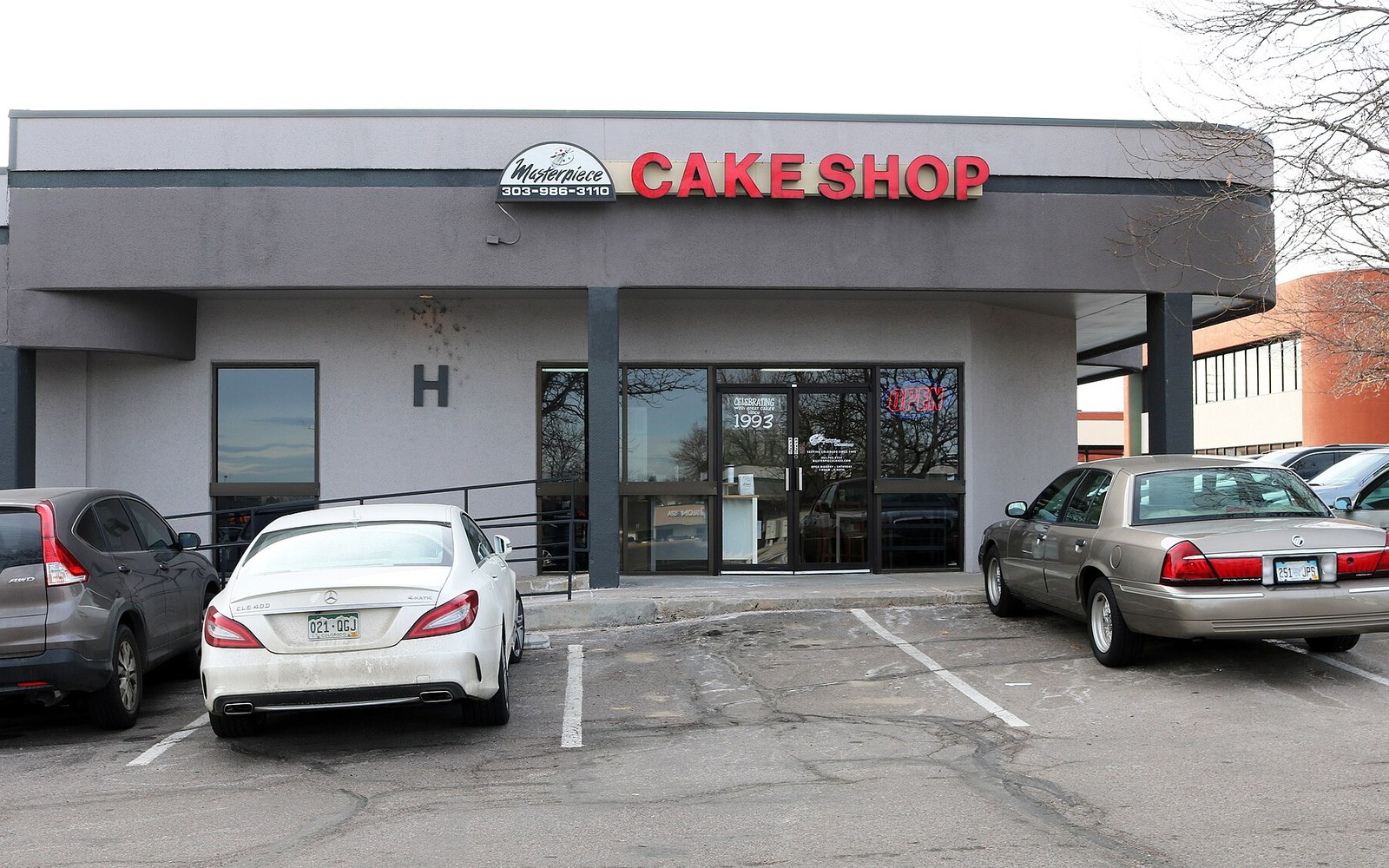
Jack Phillips, owner of Masterpiece Cakeshop in Lakewood, Colorado, declined in 2012 to design a custom wedding cake for Charlie Craig and David Mullins, citing his religious beliefs. The Colorado Civil Rights Commission ↗ found he had violated the Colorado Anti-Discrimination Act's public-accommodation provisions, and the Colorado Court of Appeals affirmed. The Supreme Court granted certiorari and reversed — but on grounds that left the constitutional question it had agreed to answer essentially untouched.
Writing for seven justices, Justice Anthony Kennedy held that the Commission had failed to adjudicate Phillips's religious-liberty claim with the neutrality the First Amendment requires. During the administrative proceedings, at least one commissioner had compared Phillips's invocation of religious belief to defenses of slavery and the Holocaust. The Commission had also, in earlier cases, permitted other bakers to decline to create cakes with messages they found offensive — anti-gay messages — without finding violations. That asymmetry, Kennedy wrote, demonstrated that the Commission had not applied its law evenhandedly. Where government hostility toward a sincere religious practice infects the adjudication, a neutral and generally applicable law is not being neutrally applied.
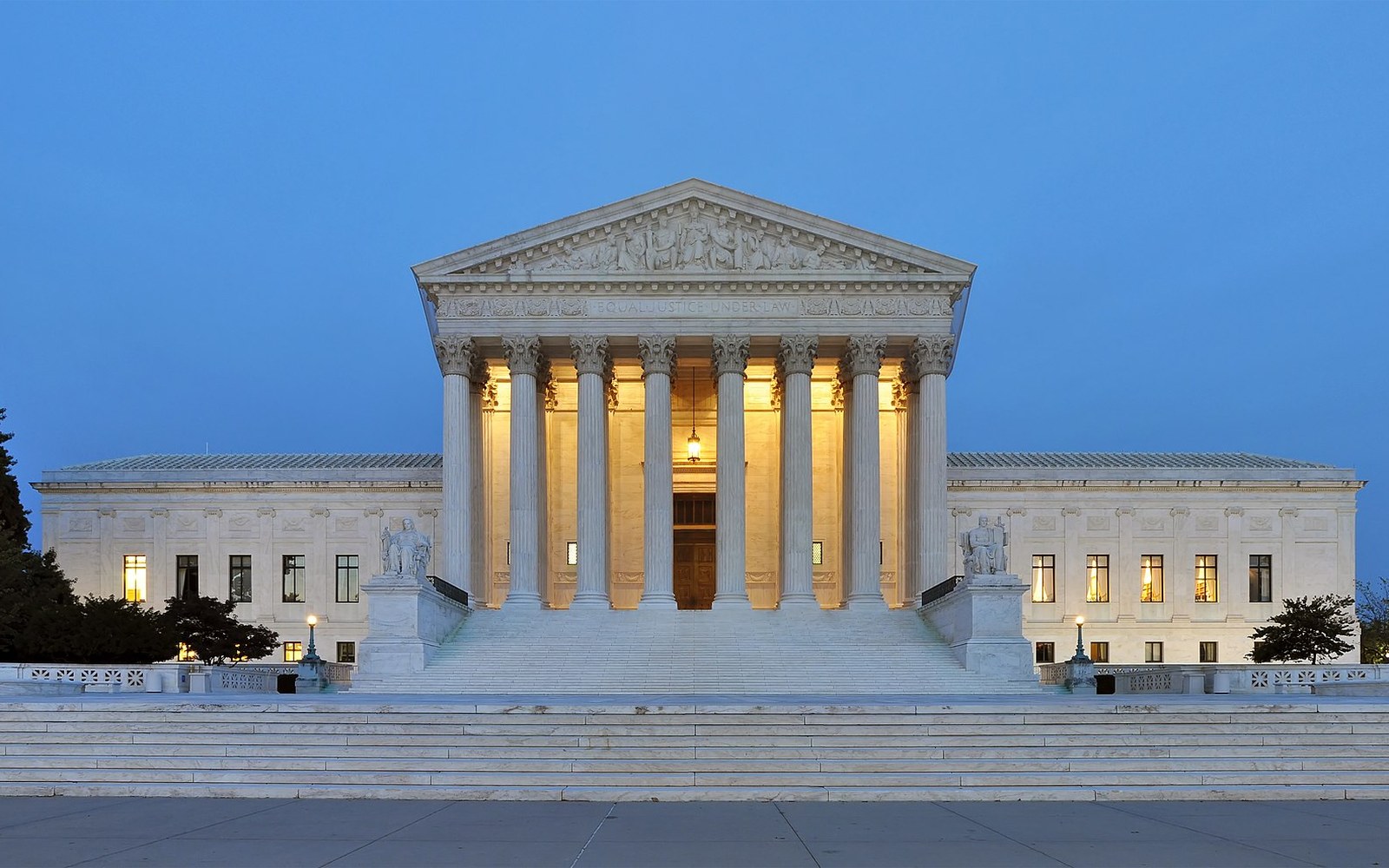
Nine votes, and the building they are counted in.
Photo: Panorama of United States Supreme Court Building at Dusk · Wikimedia CommonsThe Court's holding is therefore procedural and factual, not doctrinal. It does not hold that the Free Exercise Clause immunises a business from public-accommodation law. It does not hold that expressive conduct exempts a vendor from such law under the First Amendment's speech provisions. It expressly acknowledges that gay persons and same-sex couples have legitimate claims to equal treatment in the public marketplace. Both of those competing interests, Kennedy wrote, must be weighed by adjudicators who proceed without religious hostility.
What It Left Open
The decision is as significant for what it declined to resolve as for what it held. 303 Creative LLC v. Elenis, 600 U.S. 570 (2023), decided five years later, reached the question Masterpiece avoided — holding six to three on pure First Amendment speech grounds that Colorado could not compel a website designer to create expressive content for same-sex weddings. Masterpiece provided the procedural framing that made 303 Creative's merits analysis necessary.
Justices Ruth Bader Ginsburg and Sonia Sotomayor dissented, arguing that the commissioner's remarks ↗ did not taint the full Commission's ruling and that the asymmetry between the cake cases was not a genuine parallel.
The case stands in the record as a reversal on Commission conduct, not a ruling on the underlying clash between public-accommodation law and religious objection — a question American courts continue to litigate.
Almost every case here reached the Court through one of a handful of litigating offices.
Photo: Erik Mclean / Pexels