United States v. Windsor, 570 U.S. 744 (2013): Section 3 Falls
Five votes struck the federal definition of marriage; Edith Windsor's tax bill was the case that changed it.
Key figures in the case
- Edith Windsorplaintiff; New York resident whose $363,053 estate-tax bill was the vehicle for the constitutional challenge
- Thea SpyerWindsor's wife; died 2009; their 2007 Canadian marriage was recognised by New York
- Anthony Kennedymajority author; grounded the holding in Fifth Amendment due process and equal protection
- John Robertsdissented; argued the ruling was confined to federal non-recognition and did not reach state bans
- Antonin Scaliadissented; predicted the majority's logic would invalidate state marriage bans
- Samuel Alitodissented; argued the question belonged to democratic resolution, not judicial selection
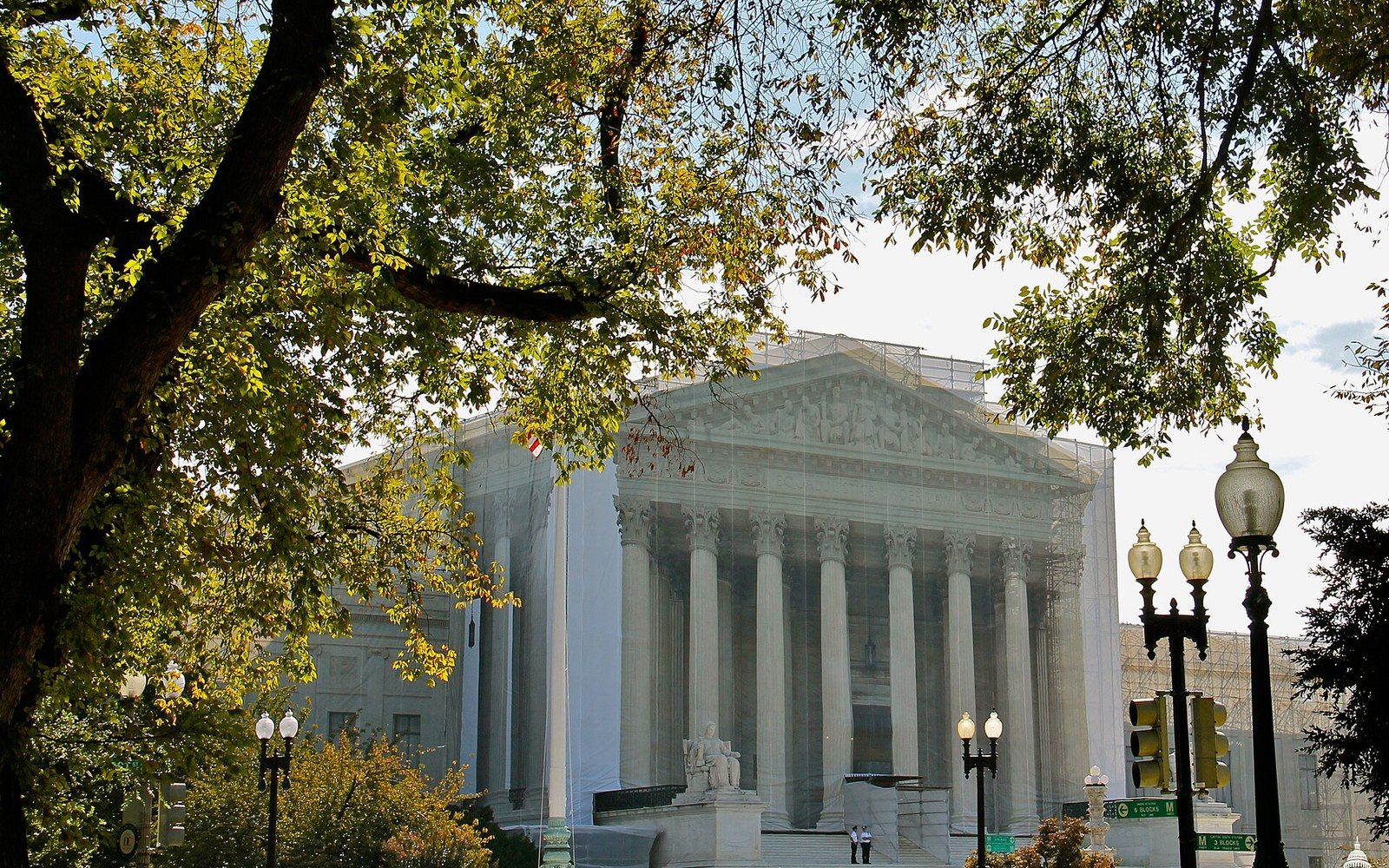
The Vehicle and the Holding
Edith Windsor and Thea Spyer married in Canada in 2007, a marriage New York recognised as valid under state law. When Spyer died in 2009, the federal government — bound by section 3 of the Defense of Marriage Act, which defined "marriage" for all federal purposes as the union of one man and one woman — refused to treat Windsor as a surviving spouse. The Internal Revenue Service assessed an estate tax of $363,053 that a legally married opposite-sex widow would not have owed. Windsor paid, sued for a refund, and won in the Second Circuit. The Supreme Court granted certiorari and, on 26 June 2013, affirmed five to four.
Justice Anthony Kennedy wrote for the Court. The holding rests on the Fifth Amendment's due process clause, read to incorporate an equal protection guarantee binding on the federal government. Section 3 of DOMA, the Court held, imposed a federal overlay on marriages that states had already licensed and recognised, doing so for no purpose other than to mark same-sex couples as inferior. That "principal effect," Kennedy wrote, was to "impose inequality" — language the Court grounded in both liberty and dignity. The statute was struck down ↗ as unconstitutional.
Almost every case here reached the Court through one of a handful of litigating offices.
Photo: Erik Mclean / PexelsStanding Before the Merits
Before reaching section 3, the Court addressed a procedural knot. The Obama administration had stopped defending DOMA in court, agreeing with Windsor that it was unconstitutional. The House of Representatives' Bipartisan Legal Advisory Group stepped in to defend the statute. The threshold question was whether the federal government's decision to pay Windsor's refund — while simultaneously asking the Court to rule on the statute's validity — left a live case or controversy within Article III.
Kennedy concluded that it did. Windsor still sought not just her money but a declaration that the law was invalid; the government's agreement with her legal position did not dissolve the genuine adverse interest between Windsor and the United States over that declaration. The Court did not decide whether the House group had standing of its own, since the adversity between Windsor and the United States was enough to support jurisdiction; it treated the group's participation as ensuring vigorous argument for the statute's defence. The case proceeded on the merits.
Three Dissents
Chief Justice John Roberts dissented, writing separately. Roberts read the majority's reasoning as confined to the unusual circumstance of a federal statute refusing to accept state marriage licenses — a narrow ground that, he argued, said nothing about whether states were themselves constitutionally required to issue such licenses to same-sex couples. Scalia filed a characteristically pointed separate dissent, joined by Thomas and in part by Roberts, warning that the majority's logic on dignity and equal protection would prove impossible to contain when state marriage bans were later challenged. Events would confirm the warning within two years.
Justice Samuel Alito dissented separately, arguing that the Constitution was silent on same-sex marriage and that the definition of marriage should therefore be resolved democratically, state by state, rather than by federal judicial decree. Alito identified two competing constitutional visions — one grounding marriage in liberty and dignity, the other in a traditional definition — and insisted the Court had no principled basis for choosing between them without usurping the legislative function.
Aftermath
The immediate legal effect of Windsor was to extend federal recognition — Social Security survivor benefits, joint tax filing, immigration spousal status, and more than a thousand other federal rights and responsibilities — to same-sex couples whose marriages were valid under state law. The Williams Institute estimated that the decision affected hundreds of thousands of couples nationwide. The ruling did not resolve whether states could continue to refuse to license same-sex marriages; that question reached the Court two years later in Obergefell v. Hodges, 576 U.S. 644 (2015), where Kennedy again wrote for the majority and Scalia's Windsor dissent proved prescient in its reading of the trajectory.
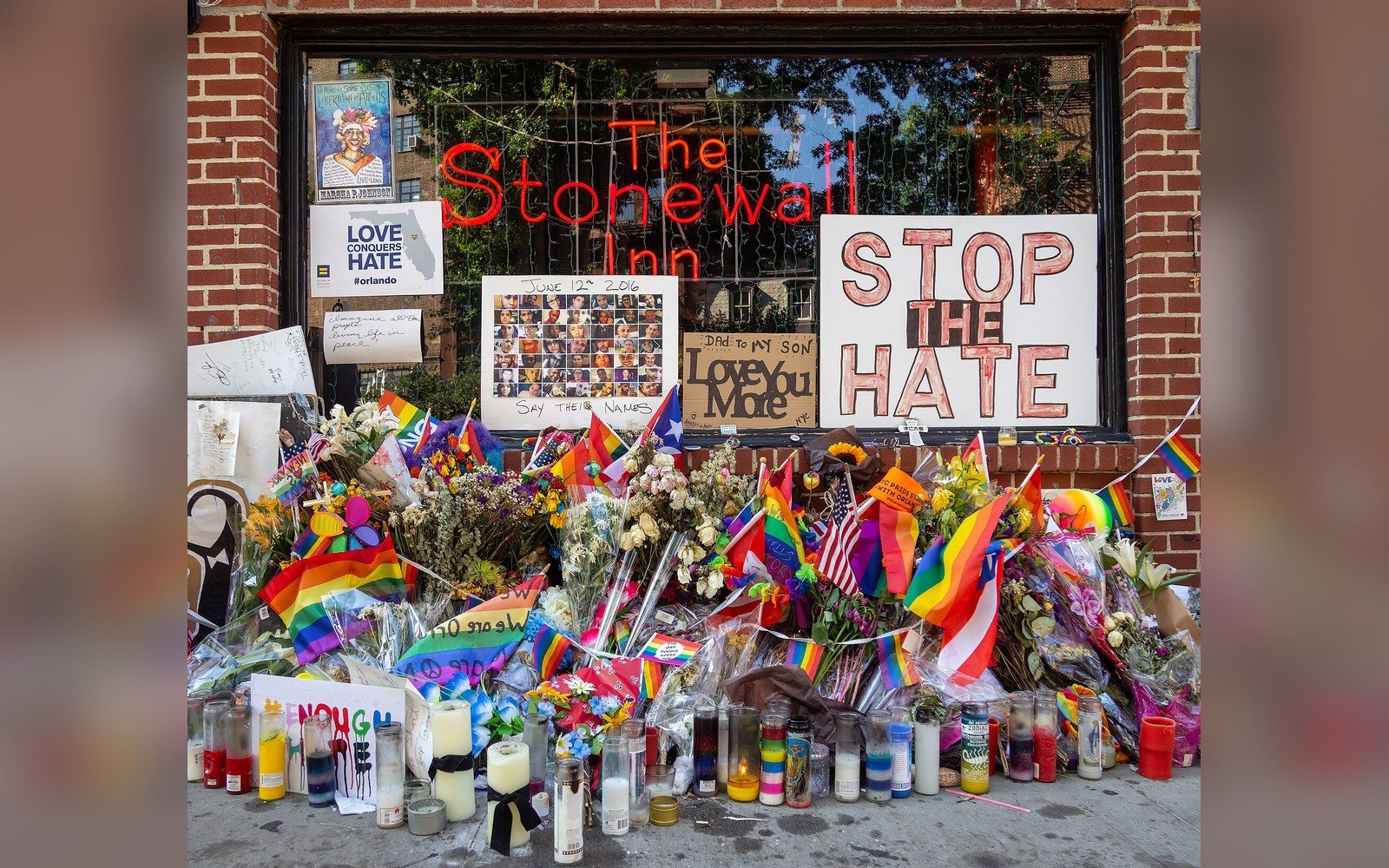
Christopher Street, part of a National Monument since 24 June 2016.
Photo: Stonewall Inn with Orlando nightclub shooting memorial during Pride 2016 (50126p) · Wikimedia Commons